

Creativity in our workspaces isn’t always about grand gestures; often, it’s the simple changes in our habits that make a significant impact. Here are three straightforward but effective habits to help you foster creativity and improve productivity.
Use Your Workspace to Your Advantage
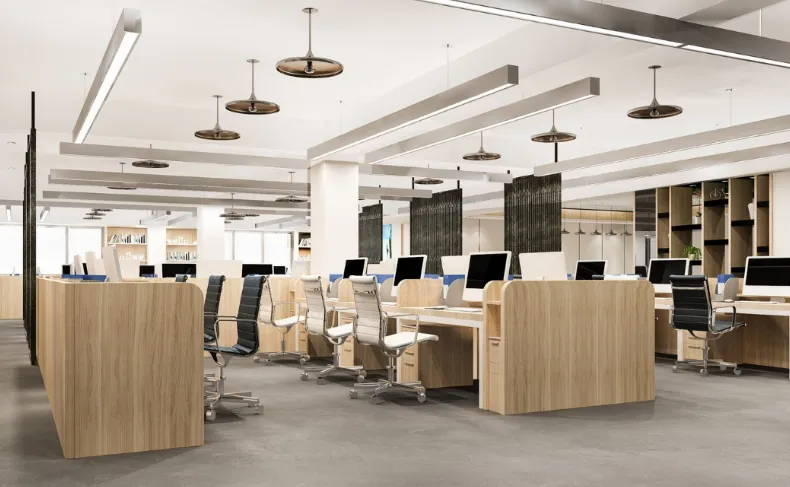
The environment you work in plays a crucial role in stimulating creativity. Changing your surroundings, even slightly, can help you see problems from a new perspective. For instance, moving from your desk to a café can encourage brainstorming and idea generation, while a quiet corner in your office may be ideal for focused, deep work. By consistently assigning specific spaces to specific tasks, you can quickly shift into the right mindset for creativity.
Dress for the Task
Your attire can have a subtle yet powerful effect on your creativity and mindset. Dressing for the task at hand isn’t just about looking professional for others; it’s about feeling confident and focused yourself. For example, wearing something that reflects your creative side, like casual or artistic clothing, can help you tap into your creativity, especially when working on design tasks. Conversely, more comfortable or technical clothing might be better suited for analytical or coding tasks. This habit helps you align your outward appearance with your internal focus, making it easier to engage in creative thinking.
Structure Your Routine for Creative Time
Consistency in your daily routine can be a key factor in boosting creativity. Establishing specific times and deadlines for creative work ensures that you make room for it in your day. Author Ian Fleming famously dedicated his mornings solely to writing, showing how a structured routine can lead to prolific creative output. You can apply this habit to your own work by scheduling focused time for brainstorming or solving complex problems.
By incorporating these small habits into your day-to-day life, you can steadily enhance your creativity and work efficiency. Remember, it’s the consistency of small changes that ultimately make the biggest difference.
read next

Building Experiences with Journey Mapping

Using the 5 Whys Method to Enhance UX Design