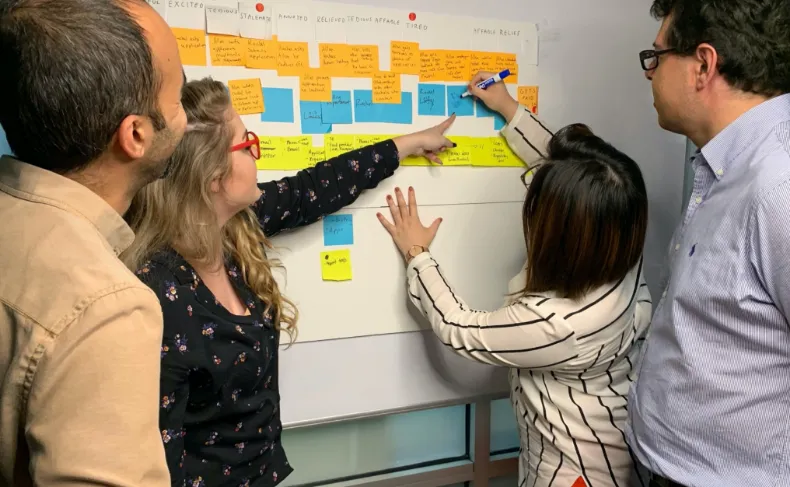

In today’s customer-centric world, businesses must understand their users’ experiences to provide seamless interactions. One effective way to achieve this is through journey mapping. A journey map is a visual representation of a customer’s interactions with a product, service, or brand over time. This blog will explore the key elements of a journey map, how to create one, and the benefits it brings to businesses and customers alike.
Understanding the Journey Map
A journey map is a storytelling tool that outlines the customer’s experience from initial awareness to post-purchase engagement. It helps businesses identify pain points, opportunities, and areas for improvement. A well-structured journey map typically consists of the following components:
1. Persona
A fictional representation of a typical customer based on real data and research.
2. Stages of the Journey
The different phases a customer goes through, such as awareness, consideration, purchase, usage, and loyalty.
3. Customer Actions
The steps customers take at each stage, such as researching, comparing products, or seeking support.
4. Touchpoints
Where customers interact with the brand, including websites, social media, emails, customer service, or physical stores
5. Emotions and Pain Points
Understanding customer feelings and frustrations at each stage.
6. Opportunities for Improvement
Areas where businesses can enhance the customer experience.
Steps to Create a Journey Map
1. Define Your Goal
Before you start mapping, identify the purpose of the journey map. Are you analyzing the onboarding process, improving post-purchase support, or enhancing the checkout experience?
2. Research Your Customers
Gather qualitative and quantitative data from surveys, interviews, support tickets, and web analytics to understand customer behaviour.
3. Identify Customer Personas
Create detailed personas representing different customer segments to ensure the journey map reflects real user experiences.
4. Outline the Customer Journey Stages
Break down the journey into key stages, from discovering the brand to becoming a loyal customer.
5. Map Customer Actions and Touchpoints
Identify how customers interact with your brand at each stage and document the touchpoints they use.
6. Analyze Pain Points and Emotions
Understand where customers face challenges and how they feel at different stages.
7. Identify Opportunities for Improvement
Highlight areas where you can improve processes, enhance customer support, or introduce new features to smooth the journey.
8. Visualize and Share the Journey Map
Create a clear and engaging visual representation of the journey and share it with key stakeholders to drive action.
Steps to Create a Journey Map
1. Enhanced Customer Experience
Identifies pain points and opportunities to create a smoother journey.
2. Improved Business Processes
Streamlines operations and enhances efficiency.
3. Better Customer Retention
Leads to higher satisfaction and loyalty.
4. Data-Driven Decision-Making
Provides actionable insights to optimize products and services.
Journey mapping is a powerful tool for businesses seeking to understand their customers better and create seamless experiences. By mapping out customer interactions, identifying pain points, and acting on insights, companies can improve satisfaction, drive loyalty, and stay ahead in a competitive market. If you haven’t started using journey maps yet, now is the time to begin!
read next

Using the 5 Whys Method to Enhance UX Design

3 Habits to Boost your Creativity in Everyday Work